
November 25, 2025
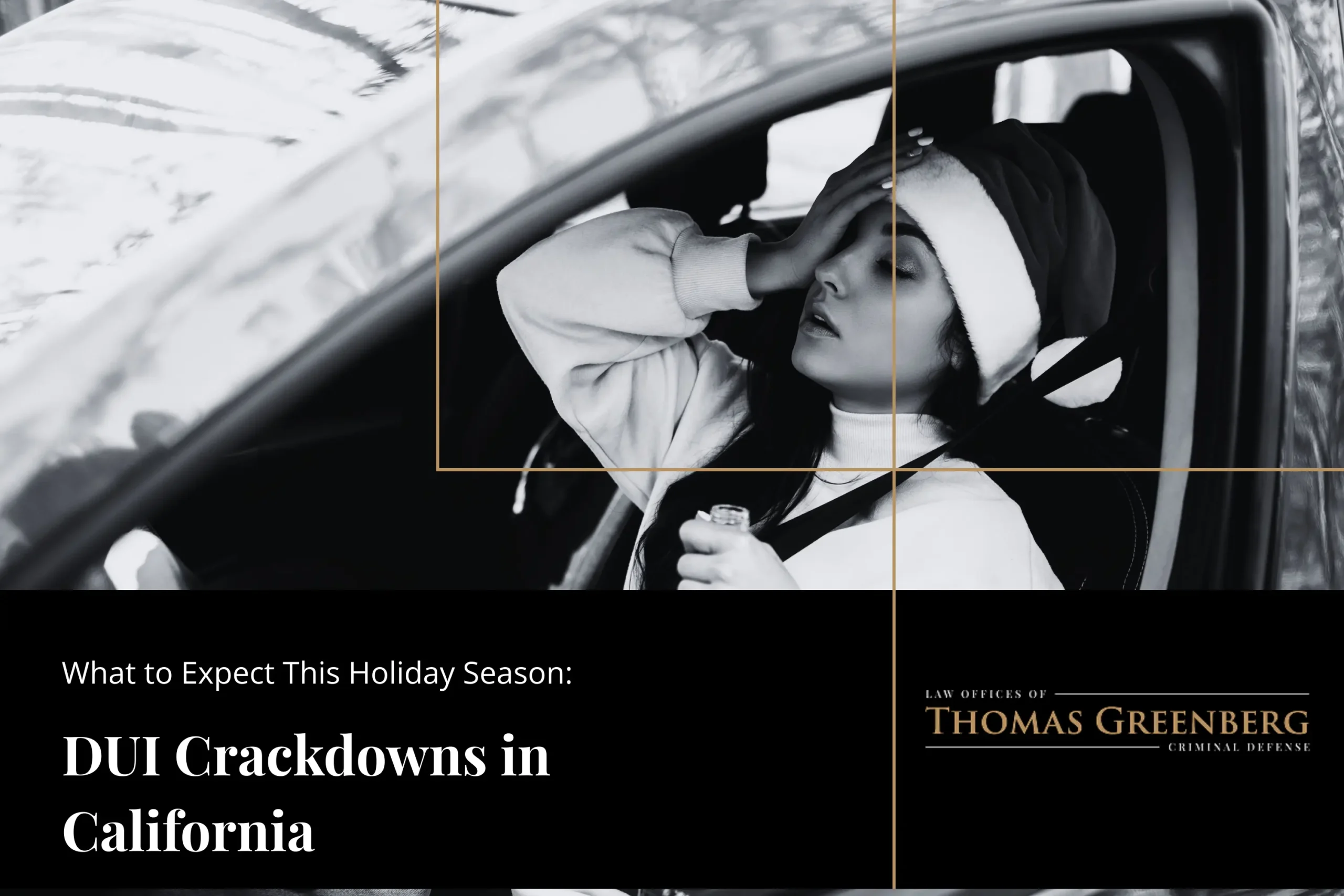
Every year, California law enforcement prepares a spike in drunk and drugged driving during the holidays. Whether it’s Christmas, New Year’s Eve, or the long Thanksgiving weekend, police expect higher traffic, heavier drinking, and late-night driving. And they respond with some of the toughest DUI enforcement efforts you’ll see all year.
The California Highway Patrol (CHP) has publicly shared arrest numbers that show how serious the problem is. In one recent Christmas enforcement period, CHP officers made 271 DUI arrests and reported 10 fatalities. In another New Year’s Eve surge, more than 300 DUI arrests occurred within the first 30 hours. These numbers continue to rise due to alcohol, cannabis, and mixed-substance impairment.
If you live in California, you’re likely to encounter at least one form of heightened enforcement checkpoints, saturation patrols, or a Maximum Enforcement Period during the holiday season. Knowing what to expect can help you stay safe and avoid an arrest that could cost you thousands and impact your future.
CHP’s Maximum Enforcement Period typically begins around 6:01 p.m. on the eve of a major holiday and lasts through the end of the weekend. You’ll often see MEPs for:
During an MEP, CHP increases staffing across California highways and freeways. You’ll notice more officers on major routes like the 405, 101, I-5, I-80, and Highway 99.
During an MEP, officers take a zero-tolerance approach to impaired driving. Visibility isn’t the only thing that increases so do traffic stops. Officers often say they “will be out on patrol trying to find impaired drivers and put a stop to it,” and the arrest numbers each year show that they follow through.
You may also see more media coverage, social media reminders, and public warnings from CHP and local police departments encouraging drivers to plan.
DUI checkpoints are common during holidays, especially in areas with nightlife or heavy traffic. Some of the most frequent regions include:
Police usually publish checkpoint locations ahead of time, but they rarely provide exact intersections until a few hours before.
A typical California DUI checkpoint includes:
If anything raises concern slurred speech, confusion, odor of alcohol you may be directed to a secondary testing area where field sobriety tests or a breath test may be required.
Unlike stationary checkpoints, saturation patrols involve officers actively looking for signs of impaired driving such as:
These patrols tend to be highly effective during holidays because drivers often leave parties at the same time or travel long distances between events.
When an officer approaches your window, they’re observing:
If the officer suspects impairment, they may ask you to perform standard tests. These might include:
Even sober drivers can struggle due to nerves, uneven pavement, or fatigue.
California’s implied consent laws require a chemical test after a lawful arrest. Refusing can increase penalties and lead to a longer license suspension.
New Year’s Eve and New Year’s Day typically lead the state in DUI arrests. Thanksgiving weekend often follows, with July 4th close behind. Christmas also generates significant arrest numbers due to workplace parties, family celebrations, and late-night travel.
Recent reports have shown:
These numbers are why CHP, and local agencies continue to push for stronger enforcement.
A holiday DUI arrest can easily cost $15,000–$20,000 when you add up all expenses. Many drivers don’t realize how quickly the costs stack up.
A DUI doesn’t just hit your wallet it can affect job opportunities, professional licenses, and your ability to travel.
Here are practical steps that work:
These simple habits can prevent life-changing consequences.
If an officer places you under arrest, staying calm is essential.
Quick action often makes the difference between a suspended license and a successful defense.
Imagine a driver leaving a Christmas gathering in Los Angeles. They feel “buzzed but okay.” A checkpoint sits a mile from the event. The officer smells alcohol asks where they’re coming from and directs them to secondary screening.
The driver, nervous and tired, struggles with field sobriety tests. Their preliminary breath test shows a borderline BAC. They’re arrested and released the next morning with a court date and a temporary license.
After contacting an attorney, several issues emerge:
The attorney challenges the stop and testing evidence, leading to a reduced charge.
This type of scenario happens more often than people realize.
Many drivers misunderstand their rights. Here’s what the law allows:
Knowing your rights protects you from unnecessary self-incrimination.
You should get legal help immediately if:
A California DUI lawyer can guide you through the DMV hearing, challenge the stop, review testing procedures, and help you pursue the best outcome.
Holiday DUI crackdowns in California are serious, and the consequences of an arrest can follow you for years. Planning, drinking responsibly, and knowing your rights can keep you and others safe.
If you face a DUI charge this holiday season, DefendCA is here to help. Contact us for a confidential case review and experienced guidance through both the DMV and court process.


 Cannabis (4)Drug Crimes (2)DUI (18)Expungements (3)Felony (5)Juvenile Justice (2)Local Insights (4)Marijuana Laws (3)Miranda Rights (1)Misdemeanor (1)Penal Code 4019 (1)Probation (1)TAKE IT DOWN Act (2)Traffic (6)Uncategorized (0)Warrants (3)


 (650) 242-0021
Leave a Reply
Your email address will not be published. Required fields are marked *
You must be logged in to post a comment.